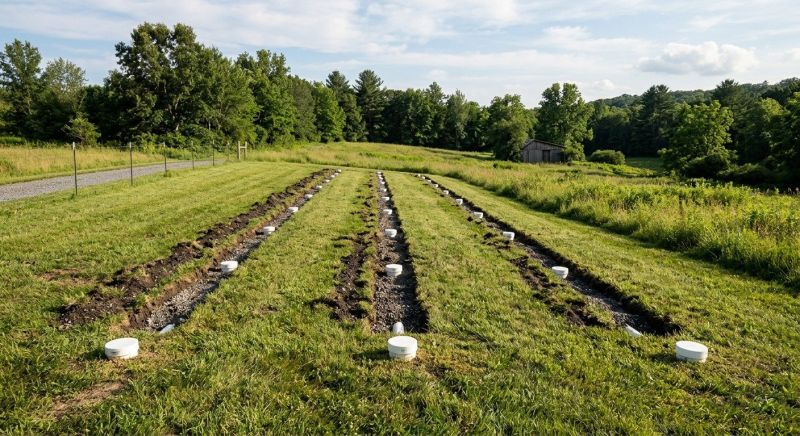
Drain Field Replacement in Austin, TX
Drain field replacement involves removing and installing a new leach field system to ensure proper wastewater dispersal from a property’s septic system. This service typically covers projects where the existing drain field has failed, become clogged, or is no longer functioning efficiently, often due to age, soil issues, or increased usage. Property owners should understand that replacing a drain field is a significant undertaking that requires careful assessment of the site, and it is essential to consider factors such as soil type, property layout, and local regulations before requesting this service.
Homeowners interested in drain field replacement usually want to know how the process will impact their property, what signs indicate a need for replacement, and how to prepare for the project. Common signs include persistent odors, pooling water, or backups in the septic system. It’s also important to understand the scope of work involved, including excavation, soil replacement or treatment, and the installation of new piping and gravel beds. Proper planning and understanding of these aspects can help ensure the new drain field functions effectively and meets the property’s wastewater management needs.
Many property owners in Austin, TX look into Drain Field Replacement for repairs, replacements, upgrades, and appearance-related improvements.
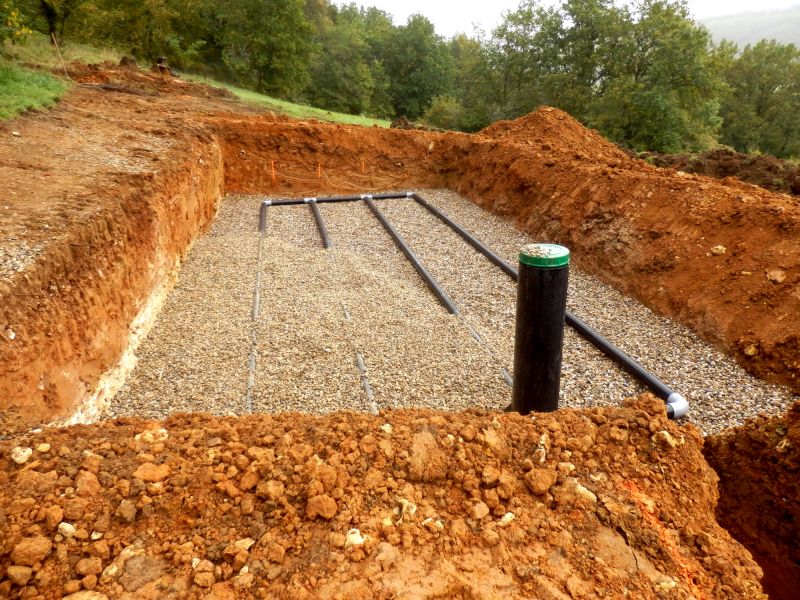
Signs You Need A Drain Field Replacement
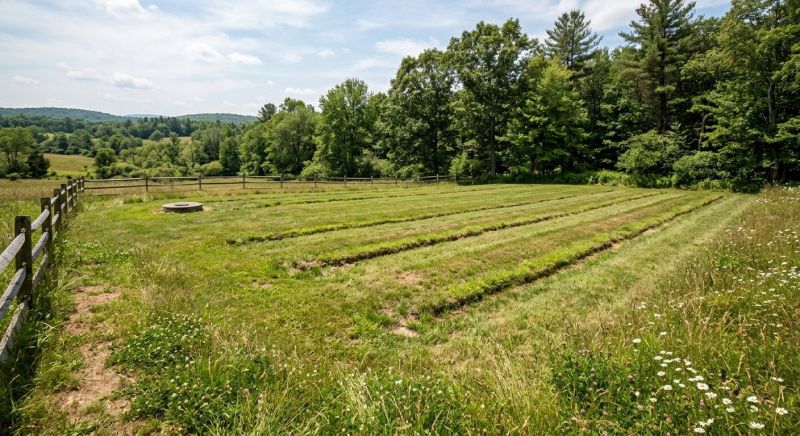
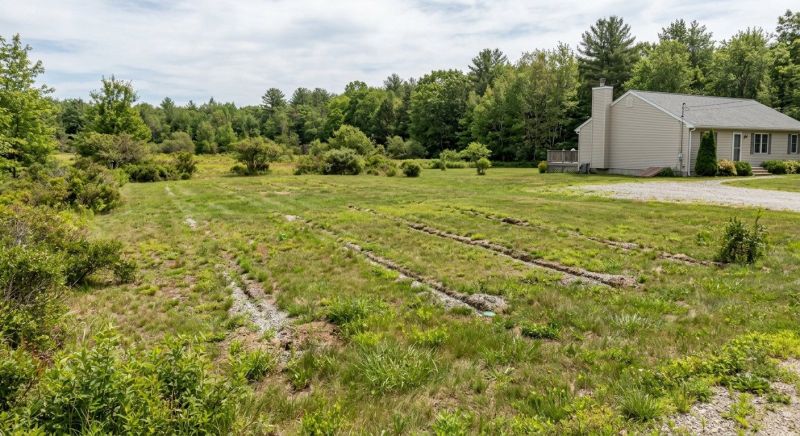
Persistent sewage odors or pooling water may indicate a failing drain field.
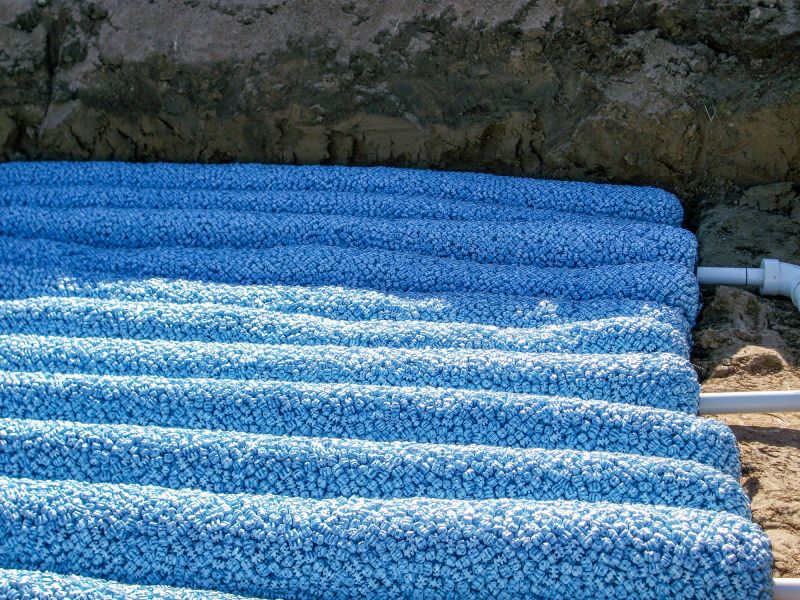
Drain Field Replacement Process
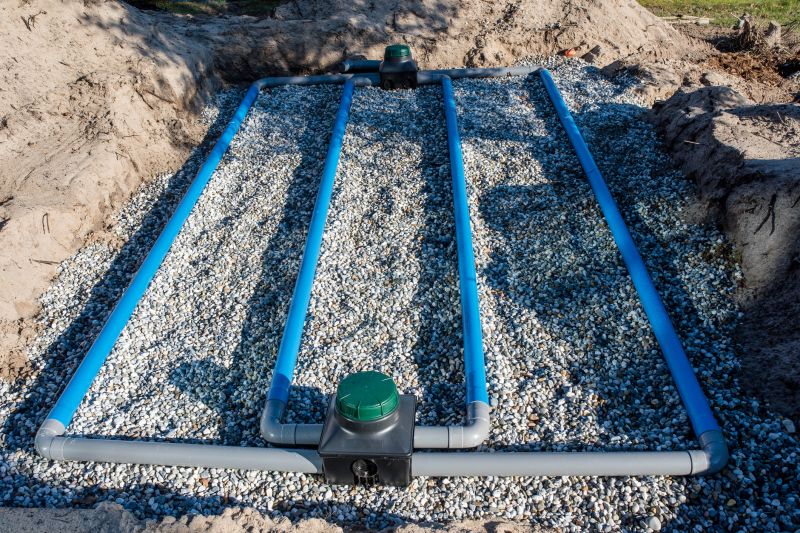
Replacing a drain field involves removing old components and installing a new system tailored to your property.
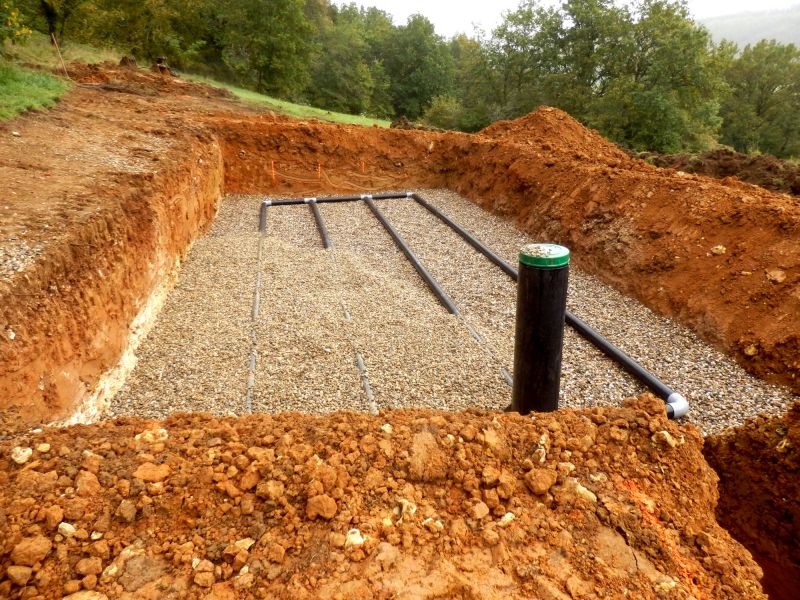
Benefits Of A New Drain Field
A properly replaced drain field ensures reliable wastewater management for your austin home or property.
Drain Field Replacement in Austin, TX

Drain field replacement involves removing and installing a new leach field system to ensure proper wastewater dispersal from a property’s septic system. This service typically covers projects where the existing drain field has failed, become clogged, or is no longer functioning efficiently, often due to age, soil issues, or increased usage. Property owners should understand that replacing a drain field is a significant undertaking that requires careful assessment of the site, and it is essential to consider factors such as soil type, property layout, and local regulations before requesting this service.
Homeowners interested in drain field replacement usually want to know how the process will impact their property, what signs indicate a need for replacement, and how to prepare for the project. Common signs include persistent odors, pooling water, or backups in the septic system. It’s also important to understand the scope of work involved, including excavation, soil replacement or treatment, and the installation of new piping and gravel beds. Proper planning and understanding of these aspects can help ensure the new drain field functions effectively and meets the property’s wastewater management needs.
Many property owners in Austin, TX look into Drain Field Replacement for repairs, replacements, upgrades, and appearance-related improvements.
Common Drain Field Replacement Jobs
Drain field replacement involves removing and installing a new absorption area for wastewater disposal.
Septic system upgrades include replacing aging drain fields to improve system performance.
Leach field repair addresses issues with existing drain fields to prevent sewage backups.
New drain field installation is required for properties with insufficient or damaged absorption areas.
Drain field expansion can accommodate increased property or household wastewater needs.
Troubleshooting drain field problems helps identify when replacement is necessary to maintain proper function.
Drain Field Replacement Questions
What is drain field replacement? It involves removing and installing a new drain field system to ensure proper wastewater disposal from a septic system.
When is drain field replacement needed? Signs include persistent odors, standing water, or sewage backups in the yard, indicating the current system may be failing.
What types of drain field systems are available? Common options include trench, mound, and at-grade systems, selected based on property conditions and soil type.
How does property size affect drain field replacement? Larger properties may require more extensive systems to accommodate wastewater needs and soil absorption capacity.
Request Drain Field Replacement in Austin, TX
Use the quote form on this page to share the basics of your project and request more information for the type of work you need.